Your Cart is Empty


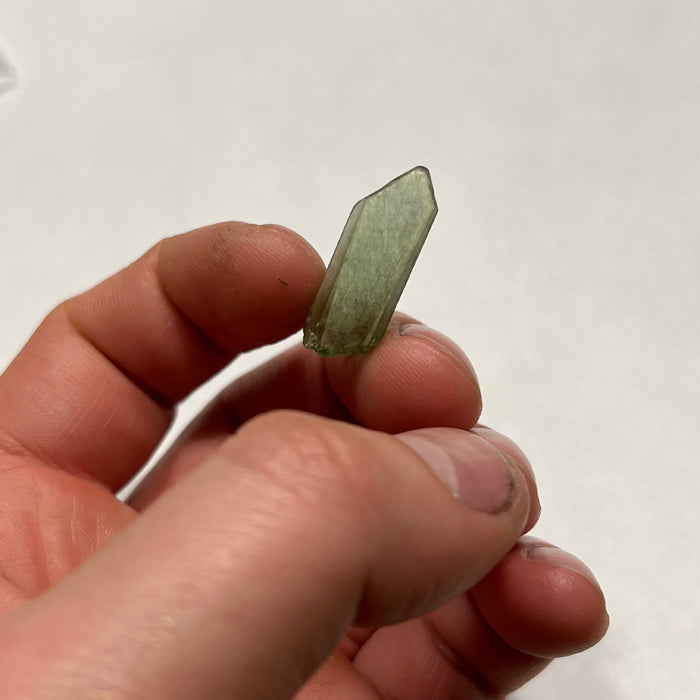
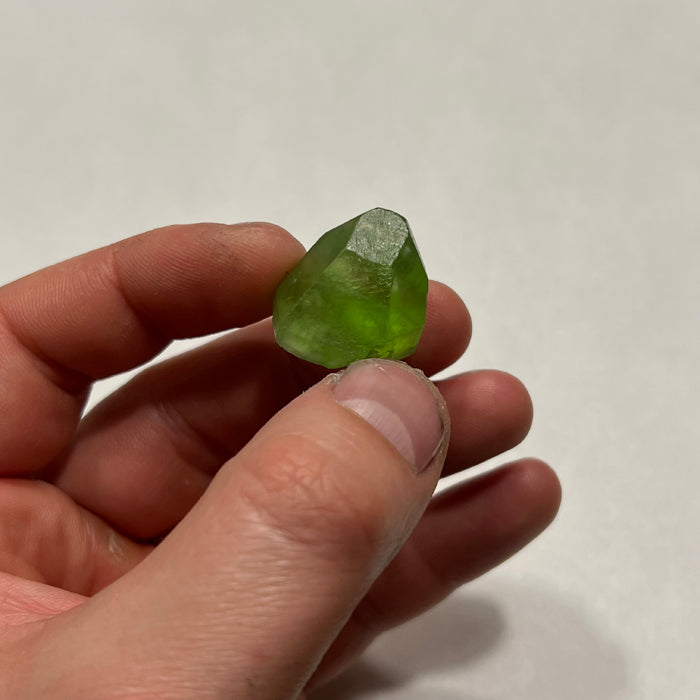
Peridot is a magnesium iron silicate mineral belonging to the olivine group, prized for its glowing shades of green that range from golden yellow-green to rich, bold grass-green. It is one of the very few gemstones found in only one color — green — though its tone and intensity vary depending on the amount of iron in its structure.
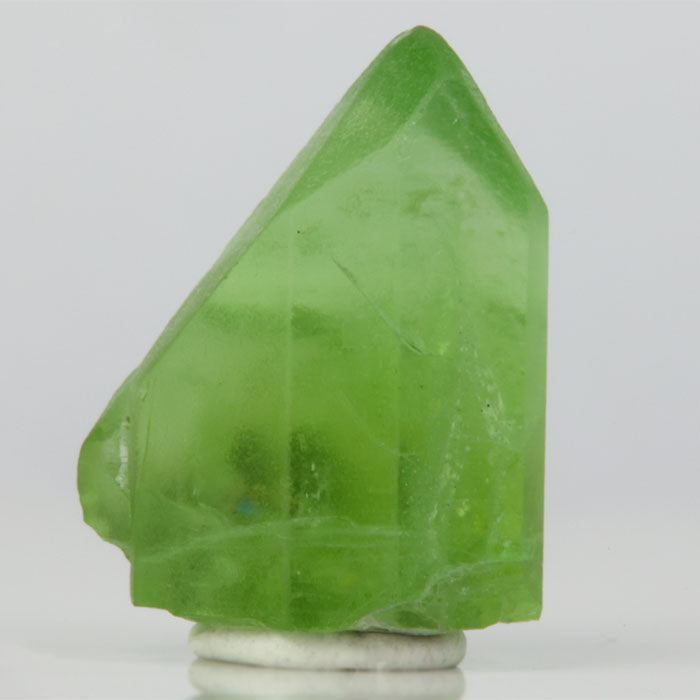
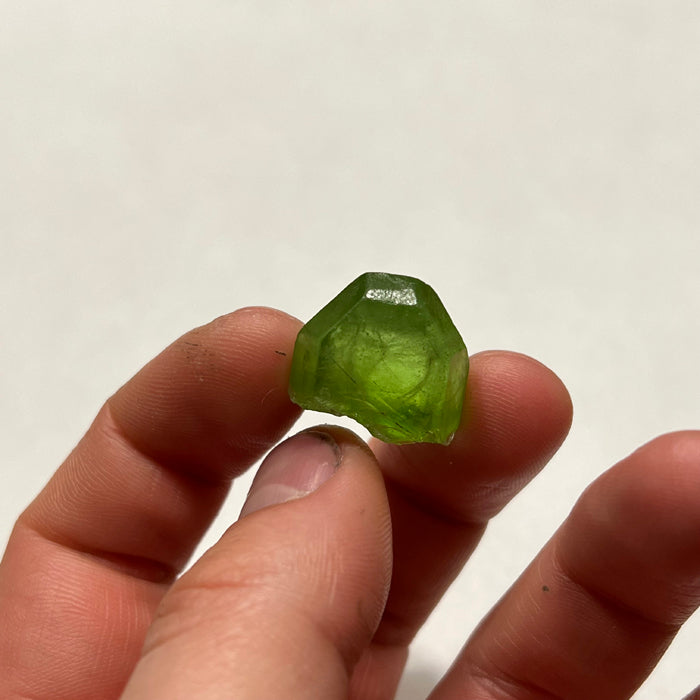
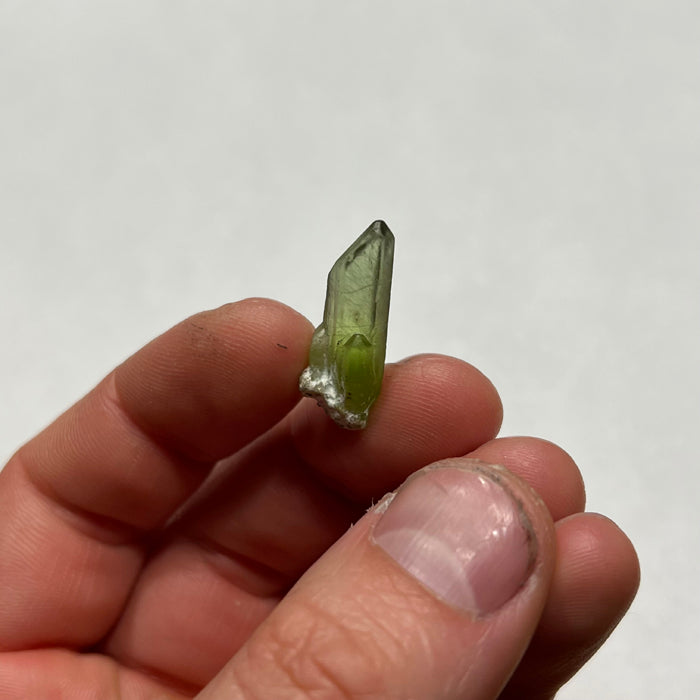
Peridot crystallizes in the orthorhombic crystal system, often forming short, blocky prisms with well-defined terminations and a glassy luster. It is a silicate mineral, specifically a nesosilicate (orthosilicate), meaning its crystal structure is composed of isolated silica tetrahedra linked by magnesium and iron atoms.
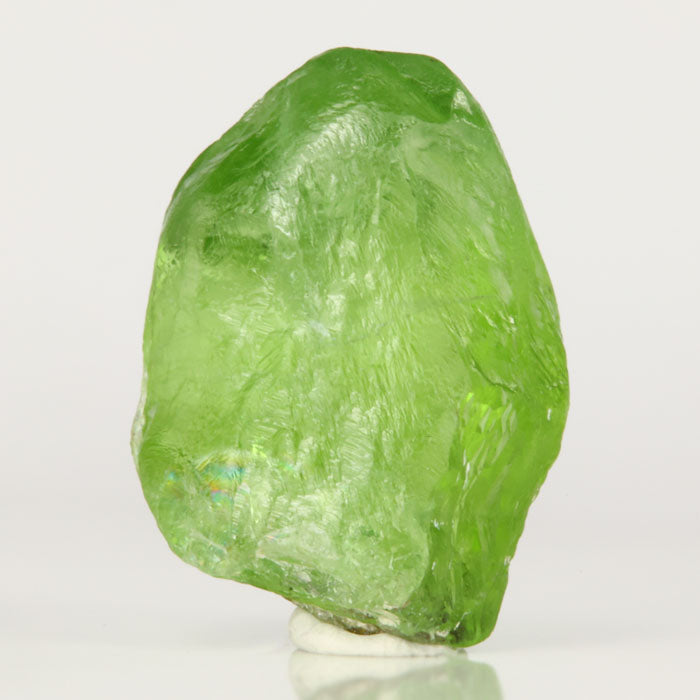
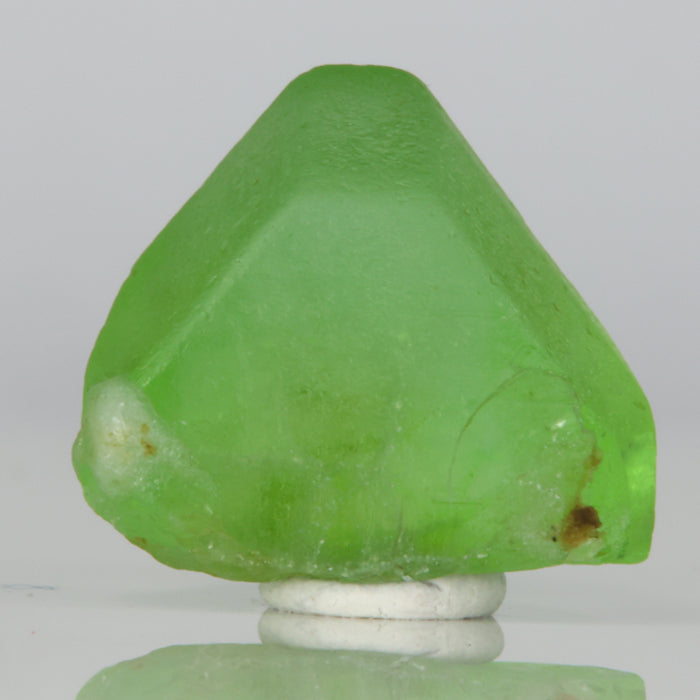
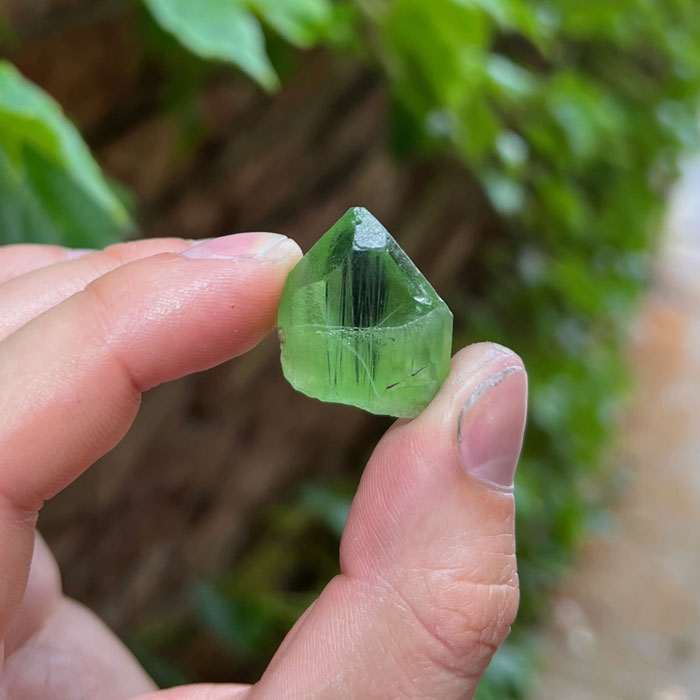
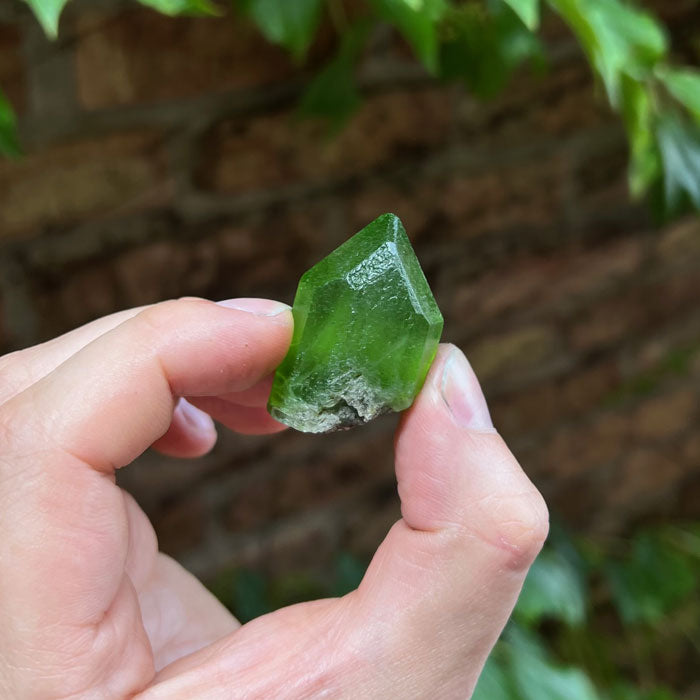
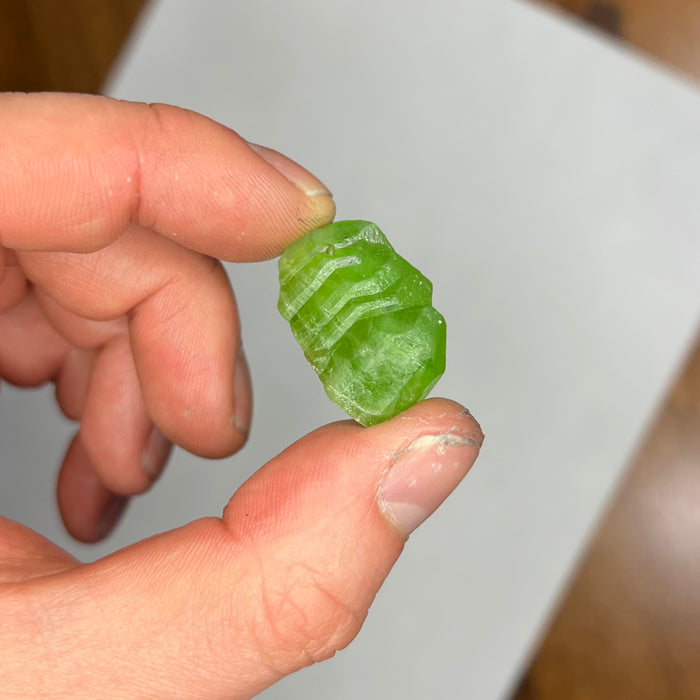
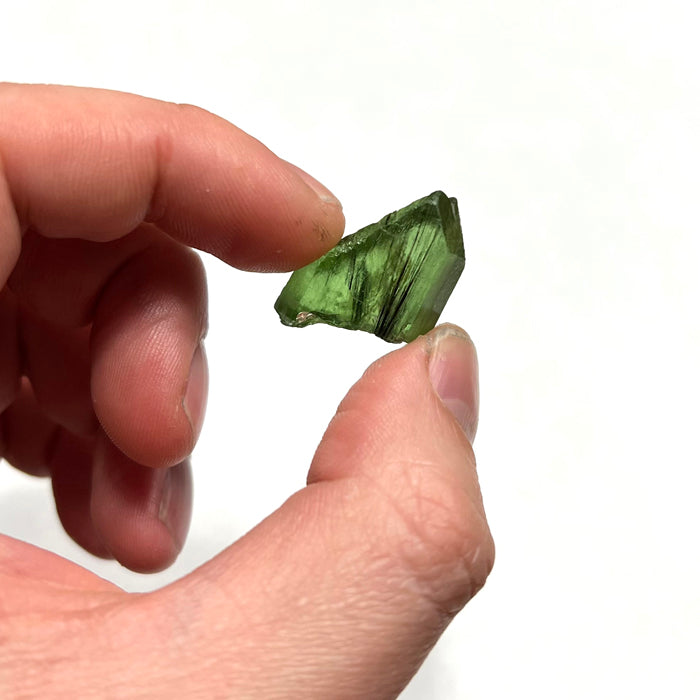
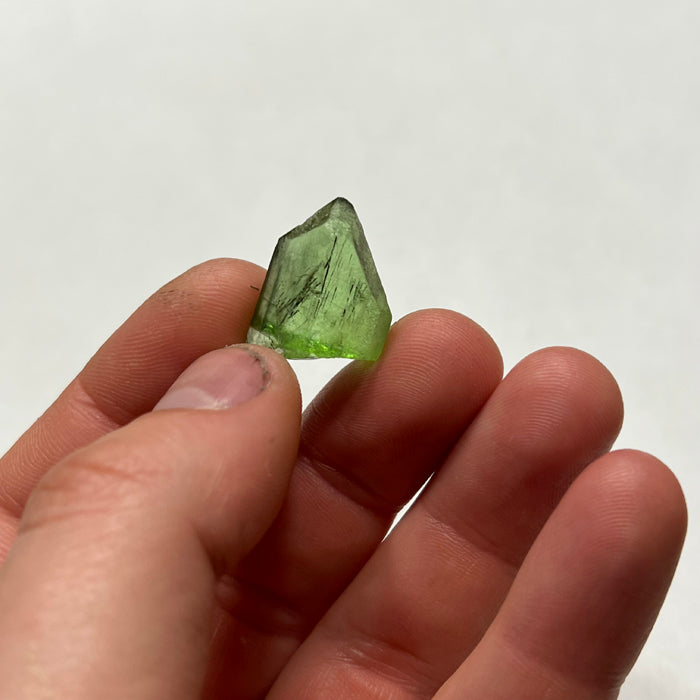
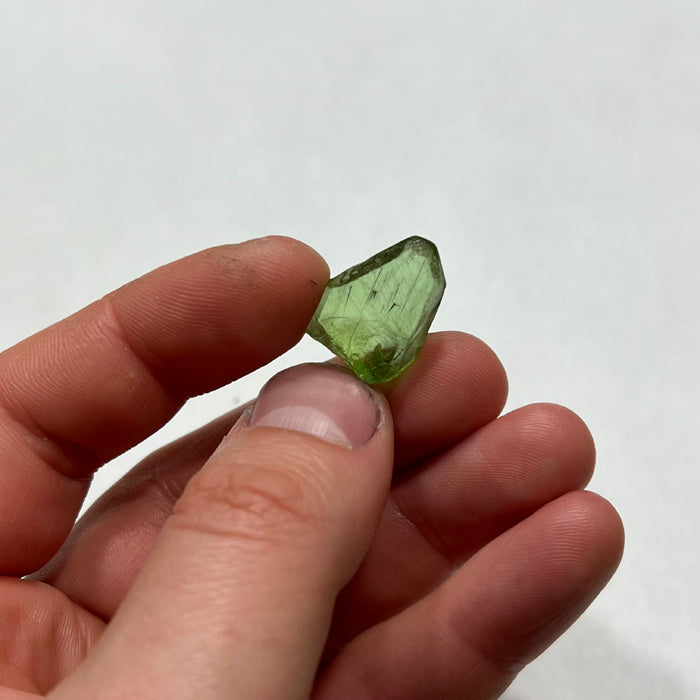
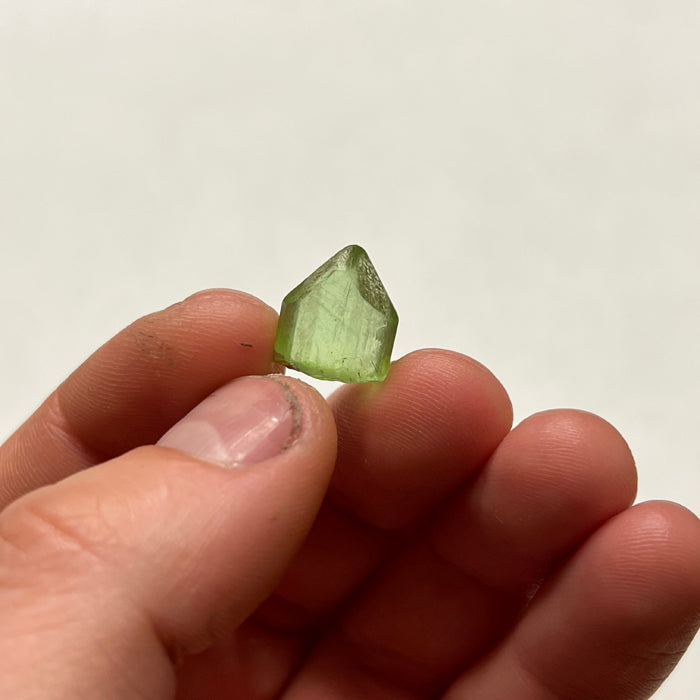
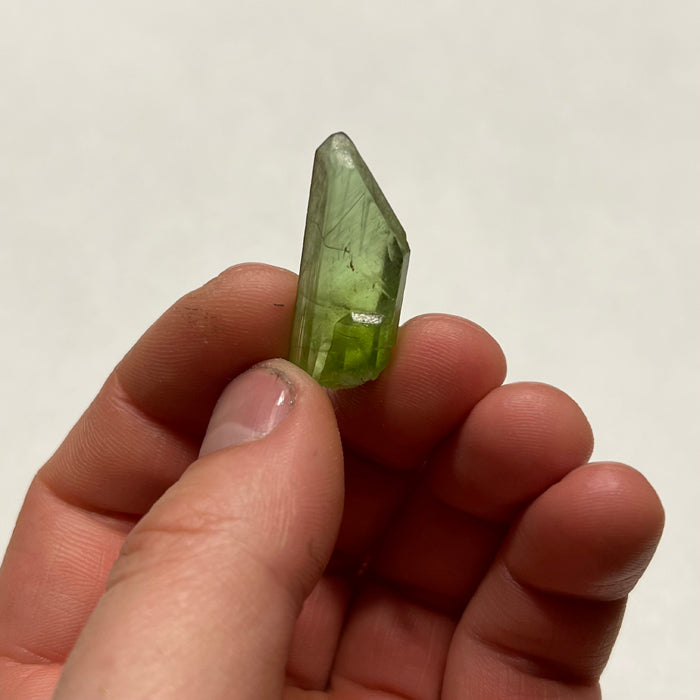
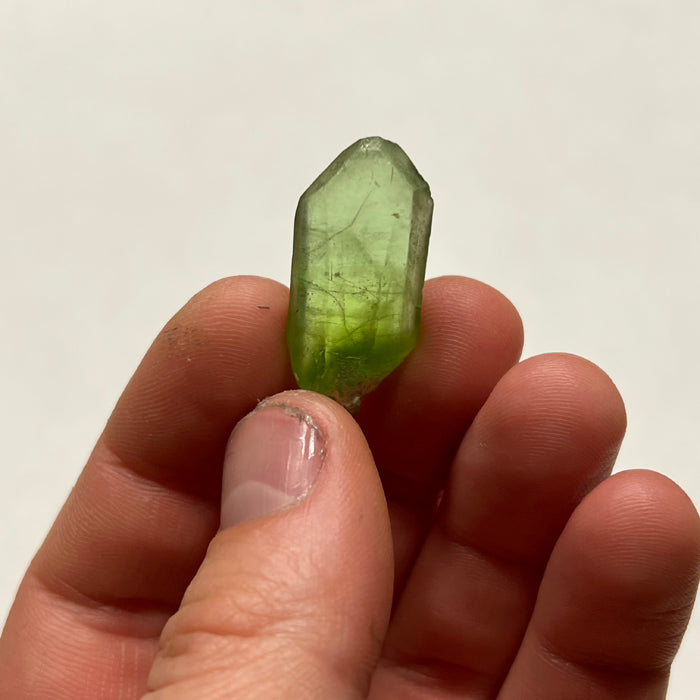
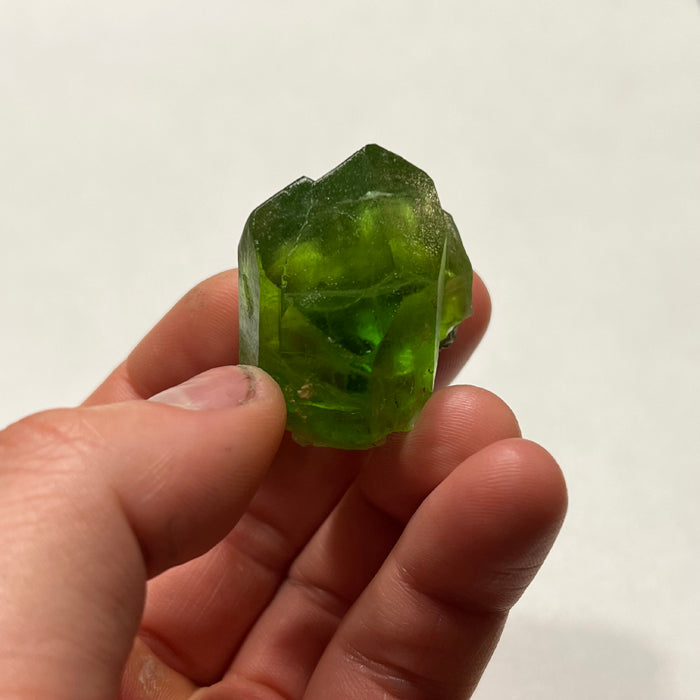
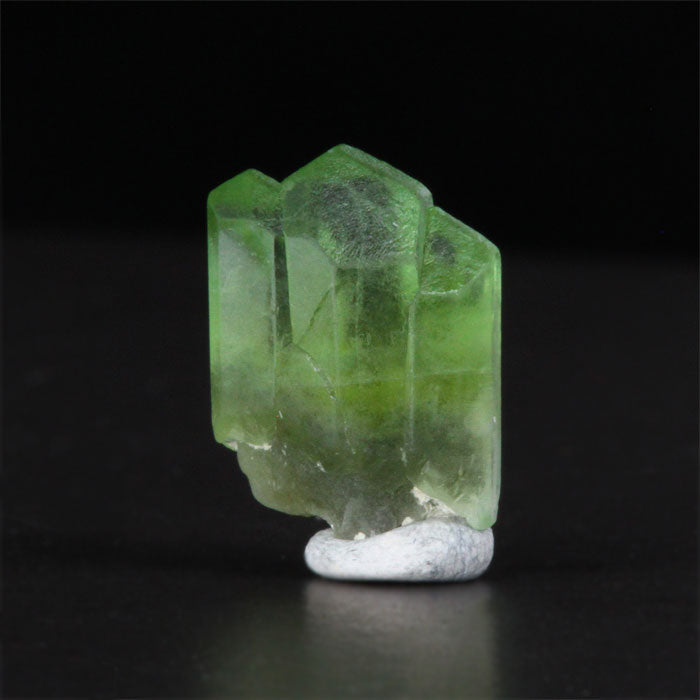
While peridot can be found in many parts of the world — including Myanmar (Burma), China, Vietnam, and the United States — in my opinion, the finest peridot in the world comes from Pakistan. Discovered in the early 1990s, this deposit high in the Himalayan Mountains forever changed the world’s view of what peridot could be. Unlike most sources, which tend to produce more yellowish-green material, Pakistan peridot exhibits a rich, bold, and bright green color, sometimes with a touch of mint or blue undertone. Collectors and gem enthusiasts recognize this source instantly for its exceptional vibrance and beauty.
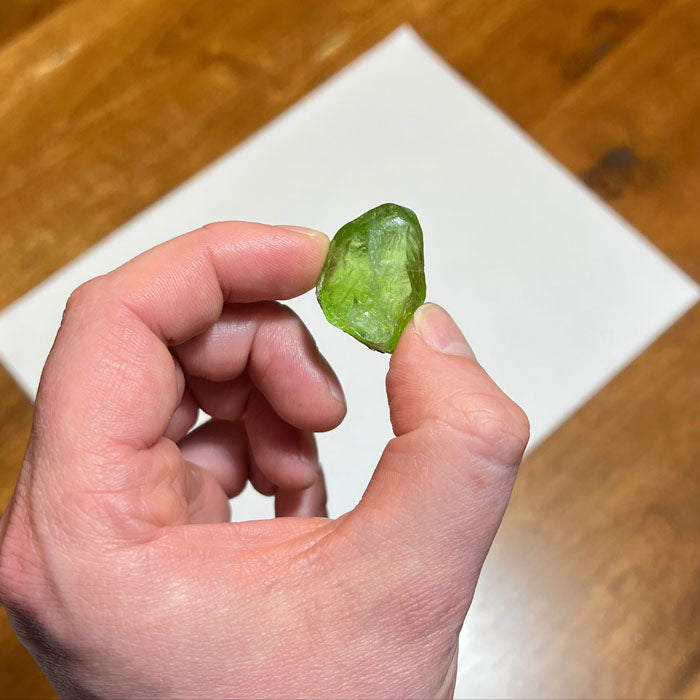
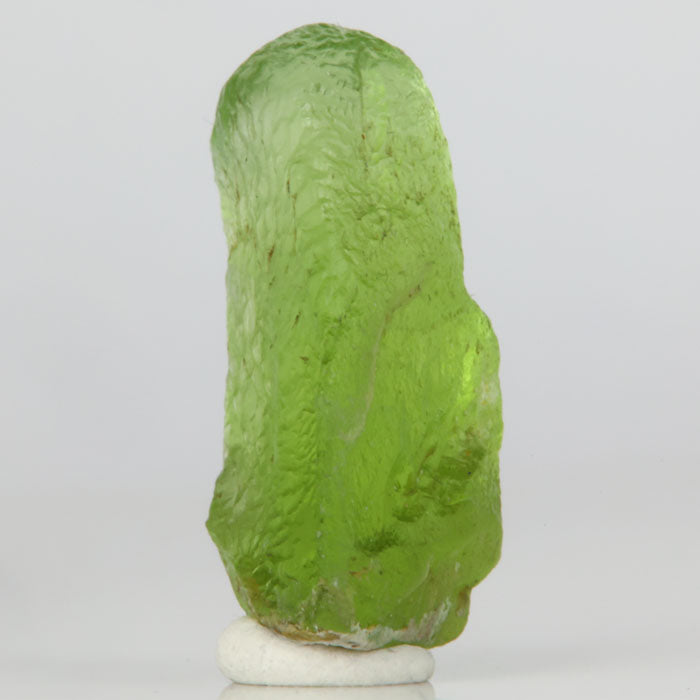
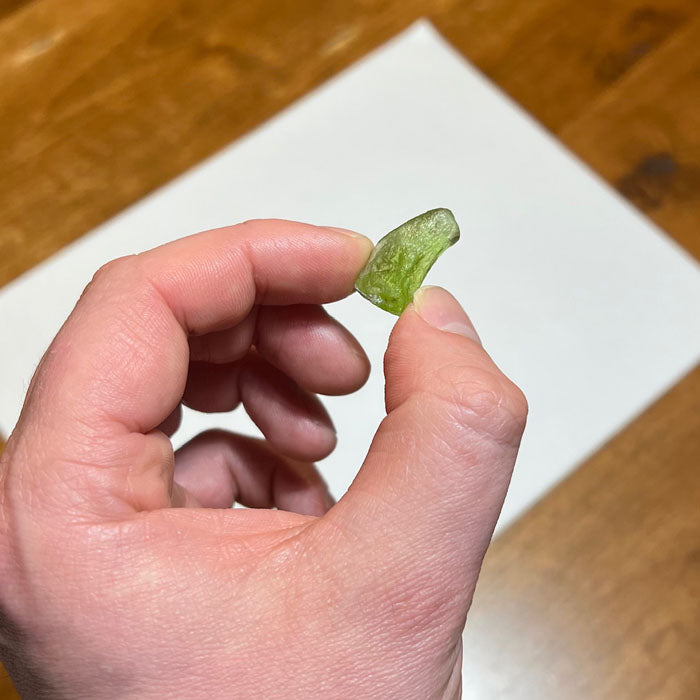
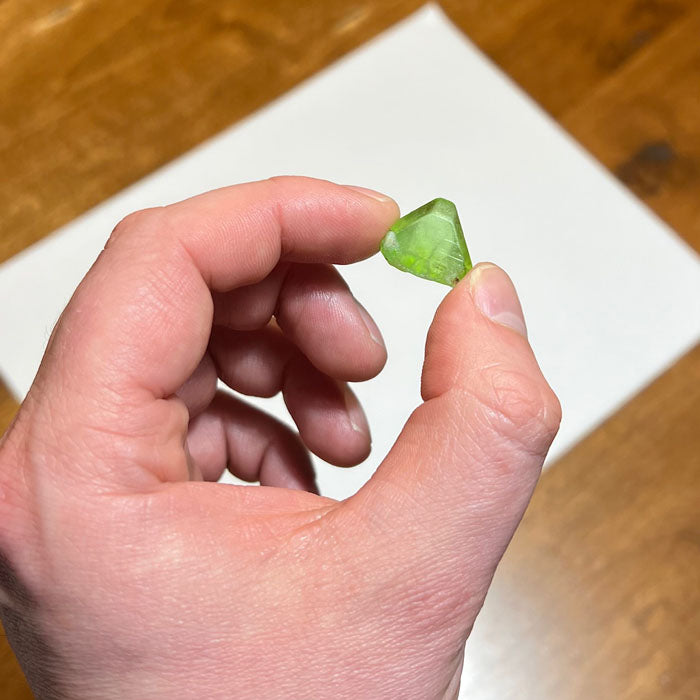
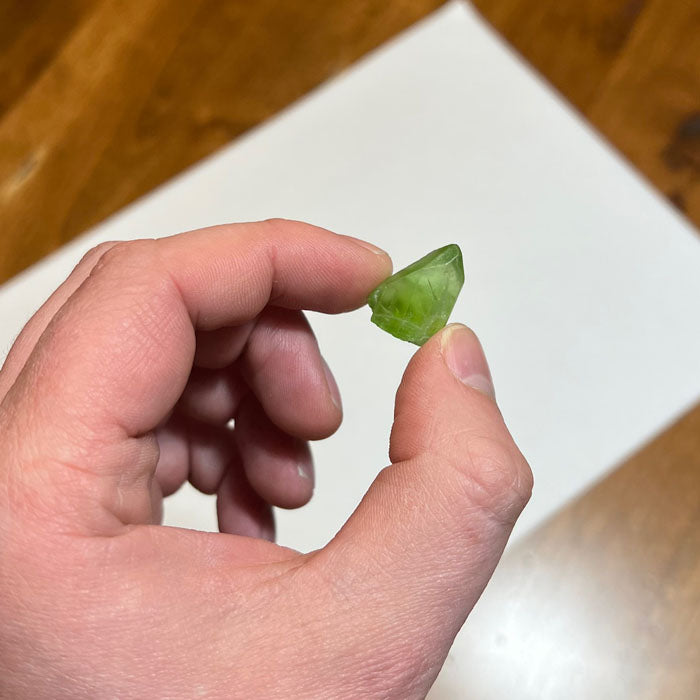
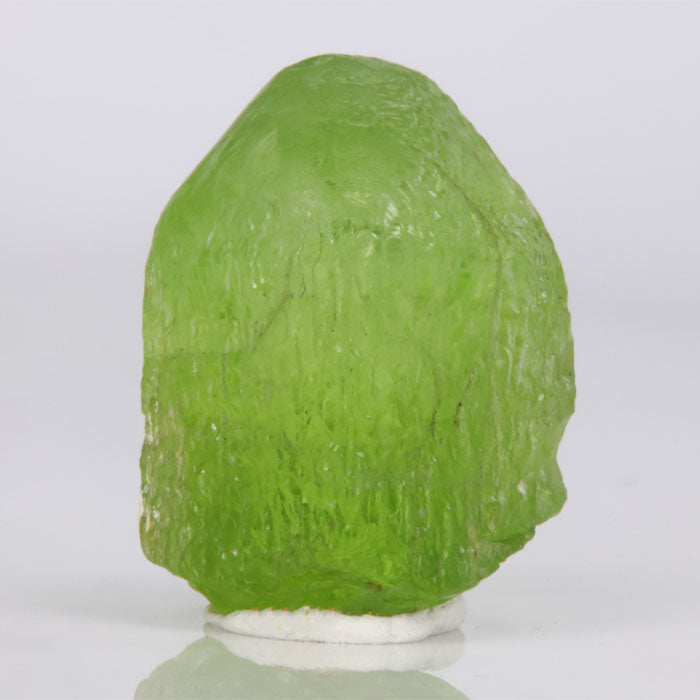
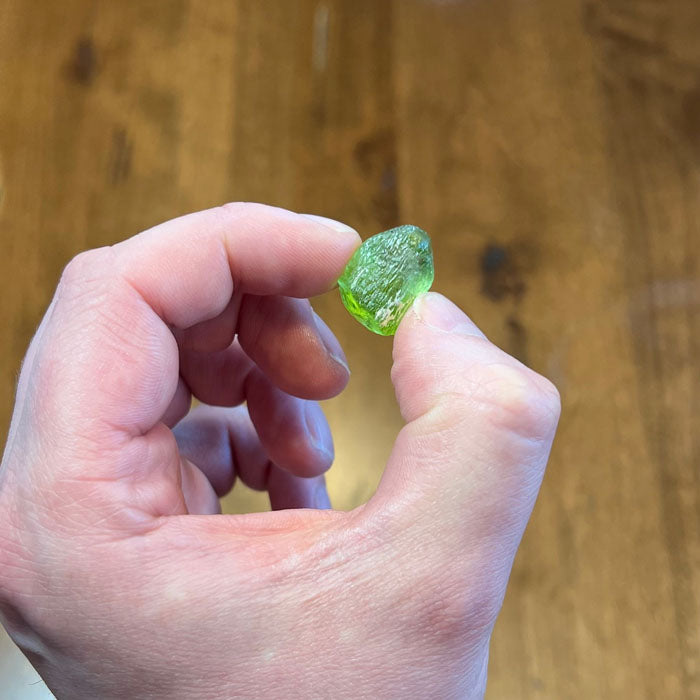
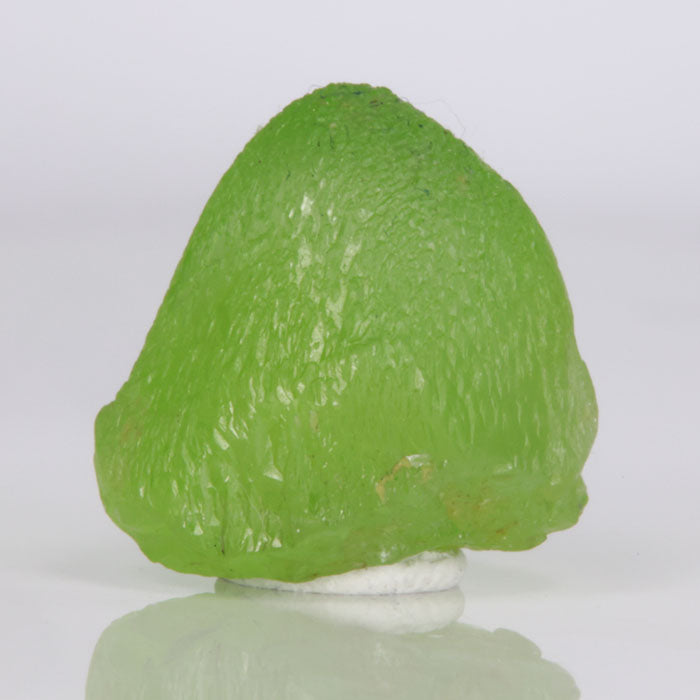
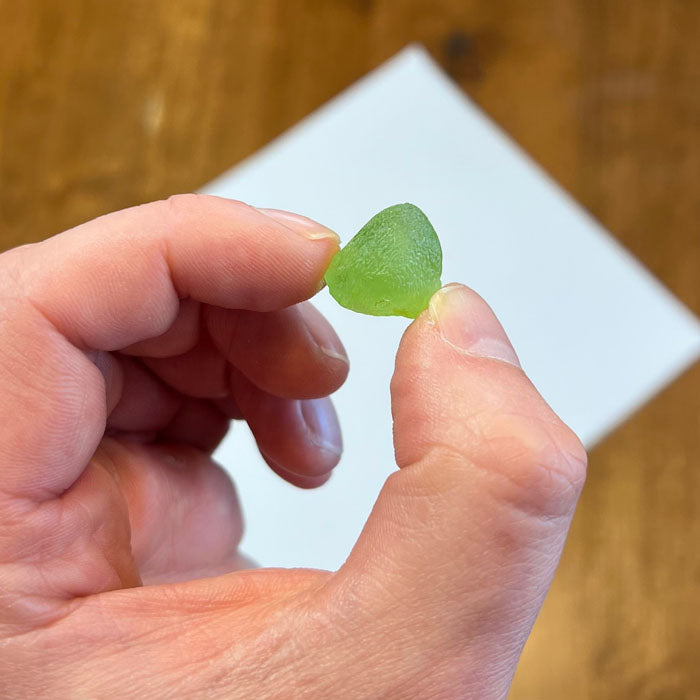
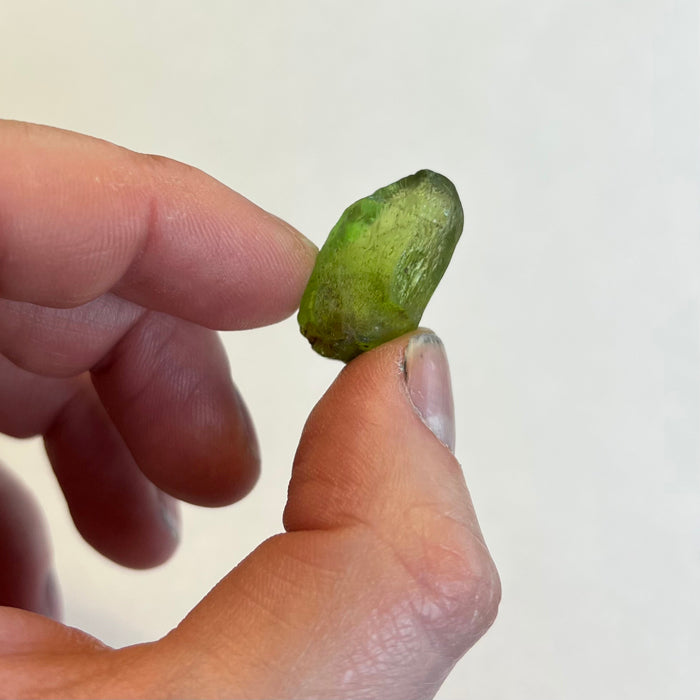
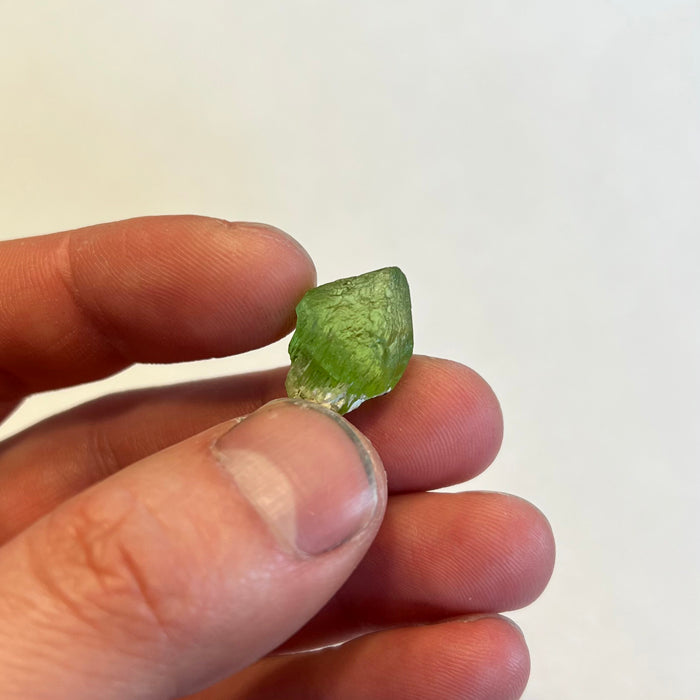
The peridot crystals from Pakistan are remarkable for their clarity, size, and form. They often display good crystal terminations, and the finest specimens can reach impressive sizes — over 200 carats or more, which is exceptionally large for peridot. Many crystals exhibit shallow natural surface etching, creating a slightly matte or sandblasted appearance on some faces, while other areas remain highly transparent and gemmy. Often, you can also find tiny, black, needle-like inclusions known as ludwigite crystals, a feature unique to this particular deposit.
Peridot from this Himalayan locality not only stands out for its color and quality but also for its rarity. Well-formed crystals with good transparency and size are increasingly difficult to obtain.
Other notable information on Peridot
Refractive index: 1.65–1.69
(The refractive index measures how light bends as it travels through the gem, influencing brilliance and sparkle.)
Specific gravity: 3.27–3.37
(Specific gravity represents how heavy the gem is compared to the same volume of water.)
Moh’s scale: 6.5–7
(This rating shows peridot’s hardness and durability; while suitable for jewelry, care should be taken to avoid scratches.)
Metaphysical attributes of Peridot
Peridot has been celebrated for thousands of years and was known to ancient Egyptians as the “gem of the sun.” They believed it protected the wearer from evil and brought warmth, happiness, and peace. Spiritually, peridot is viewed as a stone of renewal and positive energy, associated with the heart chakra. It is thought to open one’s heart to love, compassion, and emotional healing while helping to release negative patterns and invite abundance.
The vivid green light of peridot symbolizes growth, vitality, and new beginnings. Whether admired in its natural crystal form or fashioned into fine jewelry, peridot captures the radiance of sunlight and the spirit of life itself. The exceptional material from Pakistan stands as one of the most beautiful examples of this gem ever discovered — a true reflection of nature’s brilliance.